Essential Benefits of Specialized eWaste Handling: What You Need to Be Aware Of
The management of e-waste represents a significant issue in our technology-driven world. Specialized electronic waste management services not only preserve the natural world but also confirm adherence to regulatory standards. They manage data security challenges and improve the removal workflow, which can considerably influence costs and organizational standing. Recognizing the multifaceted benefits of such services is vital for organizations aiming to conduct their electronic waste responsibly. What critical elements must companies take into account when picking an e-waste disposal company?
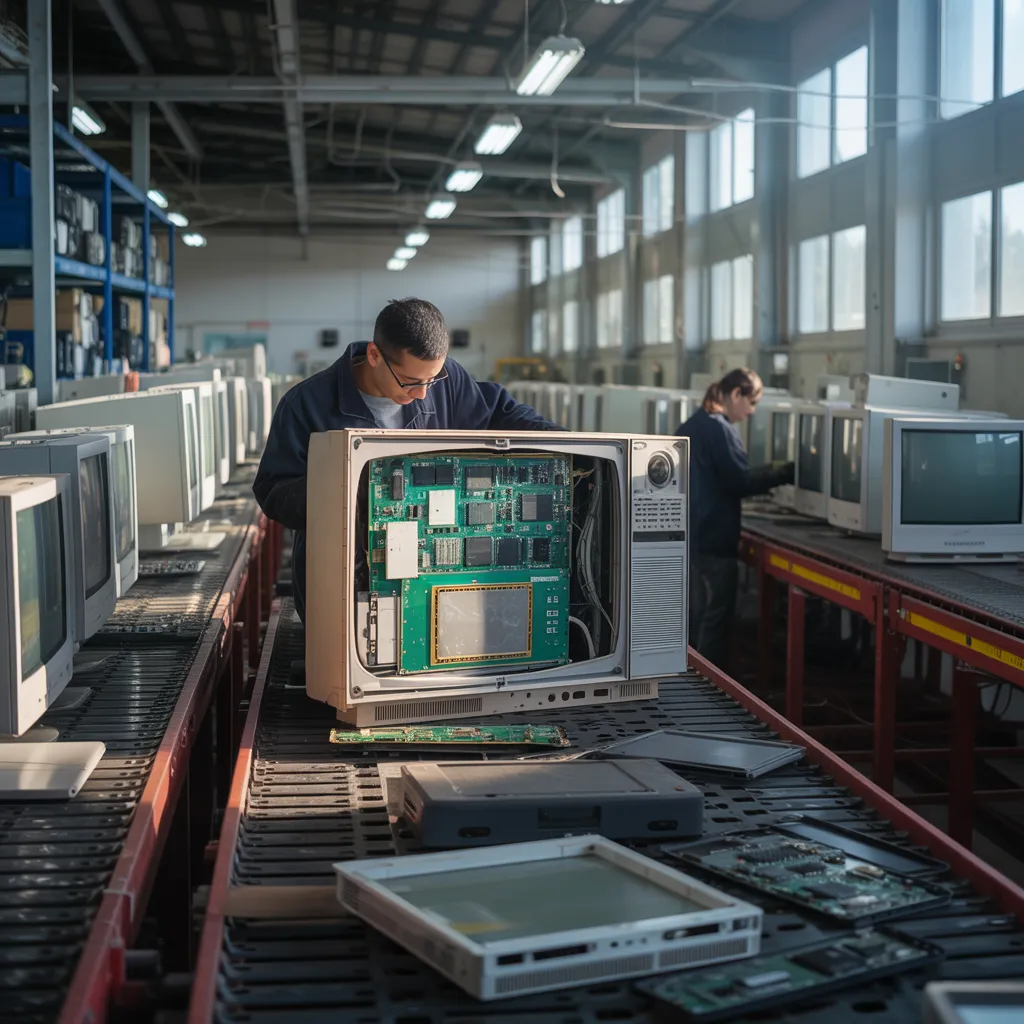
Why E-Waste Management Is Important for the Ecosystem
Although technology moves forward at a rapid pace, the ecological harm caused by electronic waste stands as a significant problem. E-waste, which includes outdated electronic equipment like smartphones, computers, and televisions, frequently contains poisonous materials such as lead, mercury, and cadmium. When incorrectly discarded, these materials can penetrate into soil and water sources, introducing substantial risks to natural systems and people.
Moreover, electronic waste contributes to the growing landfill issue, where valuable resources are lost. Recycling and proper disposal can reduce these impacts by obtaining materials like metals and plastics, cutting down on the demand for virgin resources. Professional e-waste disposal services guarantee compliance with environmental standards, promoting responsible management of electronic waste. By giving priority to proper e-waste disposal, individuals and businesses can assume a important role in preserving the environment, conserving resources, and supporting a sustainable future. Such actions are essential for reducing the environmental footprint of a technology-driven society.
The Relevance of Compliance in E-Waste Disposal Rules
Meeting e-waste regulatory requirements is crucial in establishing a framework that governs the disposition of e-waste. These requirements not only assure that businesses comply with ecological standards but also mitigate the negative consequences of improper handling on environmental ecosystems. Understanding the intersection of legal constraints and environmental considerations is paramount for effective electronic waste handling.
Legal Structure Guide
The legal structure regulating e-waste management is vital for promoting environmentally responsible practices. Various regulations, including the Resource Conservation and Recovery Act (RCRA) in the United States, set forth standards for the handling and disposal of electronic waste. These regulations seek to reduce safety hazards and ecological dangers associated with improper disposal. Adherence to these regulations not only safeguards public health but also promotes responsibility among producers and consumers. Furthermore, global treaties, such as the Basel Convention, highlight the importance for sustainable e-waste handling on a worldwide scale. Companies must stay informed about these regulatory obligations to avoid penalties and promote eco-friendly practices. Understanding this framework is essential for any organization involved in e-waste management.
Environmental Impact Considerations
Poor handling of e-waste generates major environmental risks, making compliance with disposal requirements an vital factor in minimizing these dangers. Electronic devices typically contain toxic substances, such as lead and mercury, which can permeate into soil and water, impacting ecosystems and public health. Complying to e-waste disposal requirements guarantees that hazardous materials are handled safely, decreasing the probability of environmental contamination. Furthermore, compliance promotes the recovery of valuable materials, advancing environmental responsibility and material stewardship. Organizations that stress compliance with regulations not only aid in environmental protection but also improve their reputation. As awareness of e-waste issues develops, compliance becomes progressively essential for businesses and individuals striving to reduce their ecological footprint and support proper waste handling.
How Professional Services Deliver Risk-Free Handling of Harmful Materials
Many bodies face the challenge of managing hazardous materials contained in electronic waste, making professional services imperative for safe disposal. These services are outfitted with the expertise and resources vital to handle toxic substances, such as lead, mercury, and cadmium, which are commonly found in outdated electronics. Professionals follow stringent regulations and guidelines to guarantee compliance with environmental laws, reducing the risk of contamination and harm.
Furthermore, trained specialists utilize advanced equipment and procedures to safely deconstruct and process electronic components. This process reduces exposure to hazardous materials, protecting both workers and the community. Professional services also furnish proper documentation, ensuring accountability in the disposal chain. By assigning e-waste disposal to certified experts, organizations can mitigate potential liabilities and support sustainable practices, fostering a safer environment for all. Consequently, professional e-waste disposal is not only a legal necessity but also a responsible choice for handling hazardous materials.
Data Security: Why Professional E-Waste Management Matters
Maintaining data security remains a serious consideration for businesses disposing of electronic waste. Outdated devices regularly contain restricted data, including personal data, proprietary company details, and financial records. Improper disposal may lead to data breaches, subjecting companies to legal liabilities and image deterioration. Qualified waste handlers utilize certified methods to securely erase data from devices, verifying irretrievable deletion.
These services often comply with strict compliance regulations, like GDPR and HIPAA, which require the secure management of private data. Organizations that entrust e-waste disposal to professionals reduce risks associated with data theft and unauthorized access. Furthermore, these specialists provide records that validates proper data destruction, offering peace of mind to companies concerned about their data security. In a time when cyber threats are widespread, prioritizing professional e-waste disposal is important for protecting sensitive information and upholding trust with clients and stakeholders.
Perfecting Your E-Waste Treatment Process
Streamlining the e-waste disposal process involves implementing effective gathering techniques and simplified sorting procedures. These initiatives not only strengthen operational efficiency but also assure safe recycling practices are followed. By advancing these steps, organizations can considerably reduce their environmental impact and report increase adherence with regulations.
Productive Compilation Systems
Efficient collection approaches hold significant importance in refining the e-waste disposal process. By adopting scheduled pickups and dedicated drop-off locations, organizations can markedly reduce the barriers that consumers face when disposing of electronic waste responsibly. Employing specialized collection vehicles along with trained staff guarantees that e-waste is managed safely and securely, reducing the chances of environmental harm. Furthermore, partnerships with local businesses and community organizations can boost outreach efforts, promoting broader participation in recycling programs. Modern tracking systems may also be applied to track collection rates and recognize trends, supporting continuous improvements in disposal tactics. At last, these efficient methods of collection assist in fostering a sustainable approach to electronic waste management, benefiting the environment and local societies.
Simplified Sorting Procedures
Actions to fortify optimized gathering techniques naturally generate a demand for streamlined organizational methods. Optimizing the sorting process significantly decreases the time and labor involved with e-waste disposal. By establishing explicit classification frameworks, organizations can effortlessly recognize and organize various types of electronic waste, such as computers, mobile devices, and appliances. This not only accelerates the disposal process but also minimizes the risk of cross-mixing among different materials. Additionally, simplified sorting eases the burden on workers, allowing them to focus on legal requirements and safety protocols. Ultimately, efficient sorting procedures ensure that e-waste is addressed responsibly, setting the stage for appropriate management and recovery, while also furthering overall environmental sustainability.
Secure Disposal Procedures
Implementing responsible recycling methods is essential for proper e-waste disposal. Professionals in the field prioritize techniques that limit environmental impact and guarantee compliance with regulations. This includes the correct segregation of items, such as metals, plastics, and hazardous components, to facilitate efficient recycling. By employing certified recycling facilities, e-waste is processed with the greatest care, reducing the risk of harmful chemicals contaminating the environment. Additionally, safe practices encourage the recovery of valuable materials, contributing to a sustainable economy. Organizations that implement these practices not only protect the environment but also boost their reputation as responsible corporate citizens. Ultimately, adopting safe recycling practices streamlines the e-waste disposal process, ensuring sustainability and compliance with legal standards.
Cost Benefits of Expert E-Waste Removal
Many businesses discover that expert electronic waste management can substantially lower ongoing expenses associated with handling obsolete electronics. By outsourcing e-waste management, companies reduce expenses connected with storage, handling, and potential fines for improper disposal. Professional services often encompass collection, transportation, and recycling, simplifying operations and decreasing labor costs.
Furthermore, certified e-waste removal providers guarantee adherence with ecological regulations, helping businesses prevent substantial penalties that arise from non-compliance. This proactive approach not only prevents financial setbacks but also enhances the company's reputation as an eco-conscious organization.
Additionally, many electronic waste removal companies provide data destruction, safeguarding sensitive information and eliminating the threat of security breaches that could lead to costly legal ramifications. Ultimately, spending on expert electronic waste removal results in substantial cost reductions, emphasizing the necessity of implementing a strategic approach to e-waste handling.
Opting for a dependable E-Waste Elimination Business?
In what methods can organizations guarantee they pick a credible e-waste disposal service? First, they should validate credentials and compliance with local rules, ensuring the service adheres to environmental standards. A trustworthy provider will have certifications such as R2 or e-Stewards, which demonstrate responsible recycling practices.
Next, enterprises should look into the provider's past performance and reputation. Reviews and testimonials can give insight into the reliability and quality of service. Additionally, a trusted organization will offer straightforward pricing and clearly outline their treatment procedures.
It is also crucial to ask about data protection standards. A trustworthy service should guarantee the safe disposal of sensitive information on devices. Finally, businesses may gain value from opting for a service that offers additional services, such as asset recovery or refurbishment, improving overall value. By taking these actions, businesses can assuredly select a reputable e-waste disposal partner that corresponds with their sustainability goals.
Frequently Asked Questions
Which Types of Electronics Can Be Disposed of by Professional Services?
Professionally managed electronics include computers, monitors, televisions, printers, smartphones, tablets, and other devices containing circuit boards or batteries. Proper handling guarantees hazardous materials are managed safely, supporting environmental responsibility and compliance with regulations.
How Many Times Should Businesses Eliminate E-Waste?
Businesses should dispose of e-waste at least once per year, or more often depending on their volume of outdated electronics. Regular disposal helps reduce ecological damage and guarantees adherence with regulations regarding hazardous materials.
Can you receive tax deductions for electronic waste recycling?
Tax incentives for e-waste disposal exist in various forms, comprising deductions and credits. These incentives encourage companies to responsibly recycle, reducing ecological consequences while possibly reducing their tax obligations through involvement in approved recycling programs.
Can Non-profit Organizations Gain Benefits From E-Waste Recycling Services?
Non-profit bodies can certainly benefit from e-waste disposal programs. These programs often furnish economical solutions, champion environmental responsibility, and may facilitate fundraising opportunities through connections, improving their community engagement and sustainability work.
What Takes Place to E-Waste Upon Expert Elimination?
Upon proper treatment, e-waste is routinely deconstructed, with recoverable matter partitioned. Hazardous substances are appropriately handled, while reusable components are reconditioned or reallocated, upholding planetary protection and promoting resource conservation in a sustainable manner.